Ending polio in Angola: every child, one vaccine, everywhere
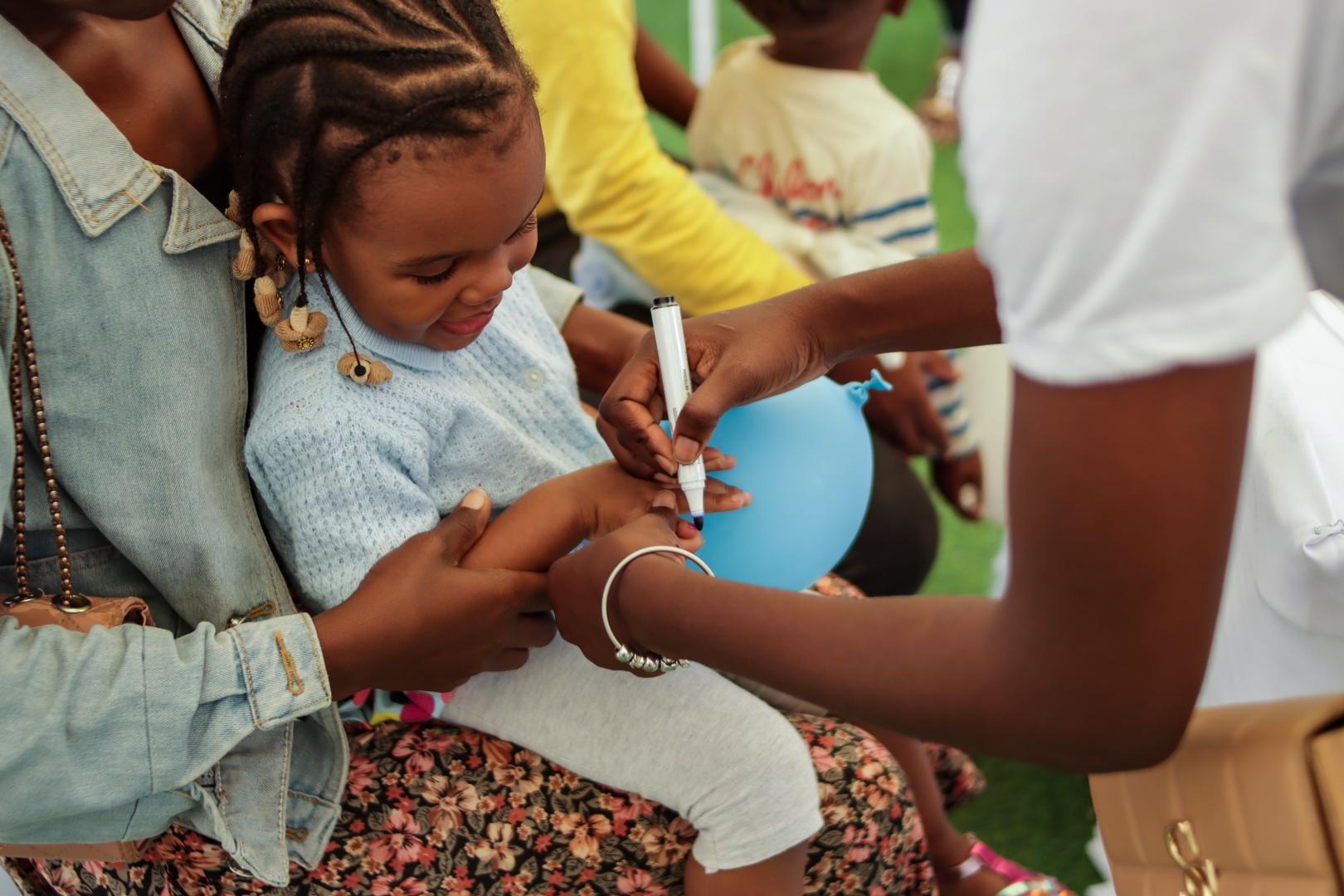
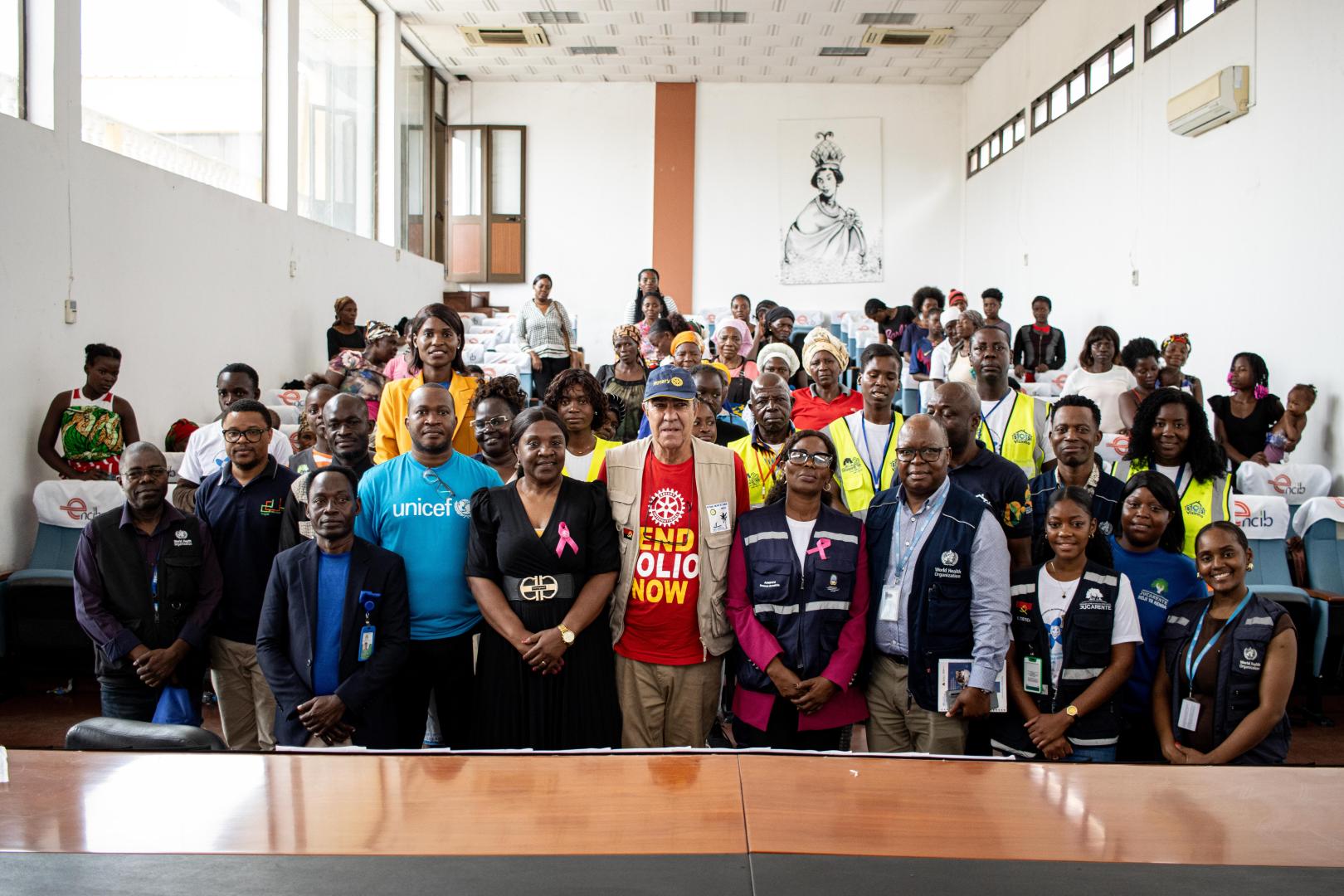
As part of World Polio Day, the World Health Organisation (WHO) in Angola, in partnership with the JUCARENTA Association, the municipal administration, and community leaders, organised a Community Health Circle in São Pedro da Barra, in the municipality of Hoje-Ya-Henda, Luanda. The event brought together health experts, local authorities, and citizens to emphasize the importance of polio vaccination and reaffirm their commitment to eradicating the disease in Angola.
Polio is a crippling disease, but it can be completely prevented through the administration of a safe and effective vaccine. Unfortunately, the threat persists as long as there are unvaccinated children. Therefore, the event aimed to strengthen public confidence in vaccination, engage young people and community leaders, strengthen strategic collaborations between partners, and reaffirm the collective commitment to accelerate polio eradication.
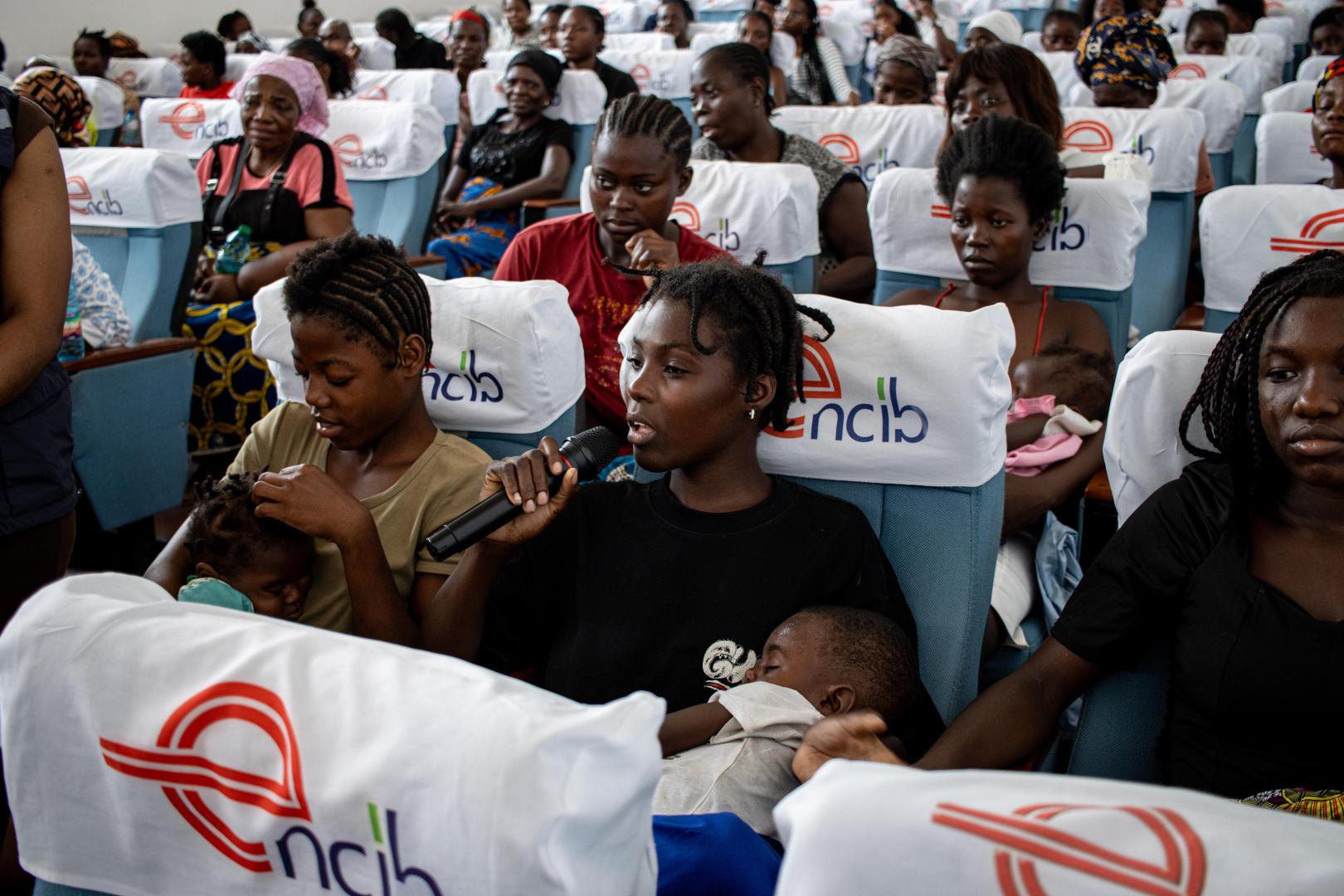
During the event, Antónia, a local vendor, addressed a common challenge: “I know women who have never vaccinated their children because they grew up hearing that vaccines are harmful. No one ever explained to them otherwise.” This testimony shows that it is often not a matter of unwillingness, but rather a lack of information and trust. Initiatives such as the Conversation Circle, held in the heart of communities, help to combat myths and bring health services closer to families.
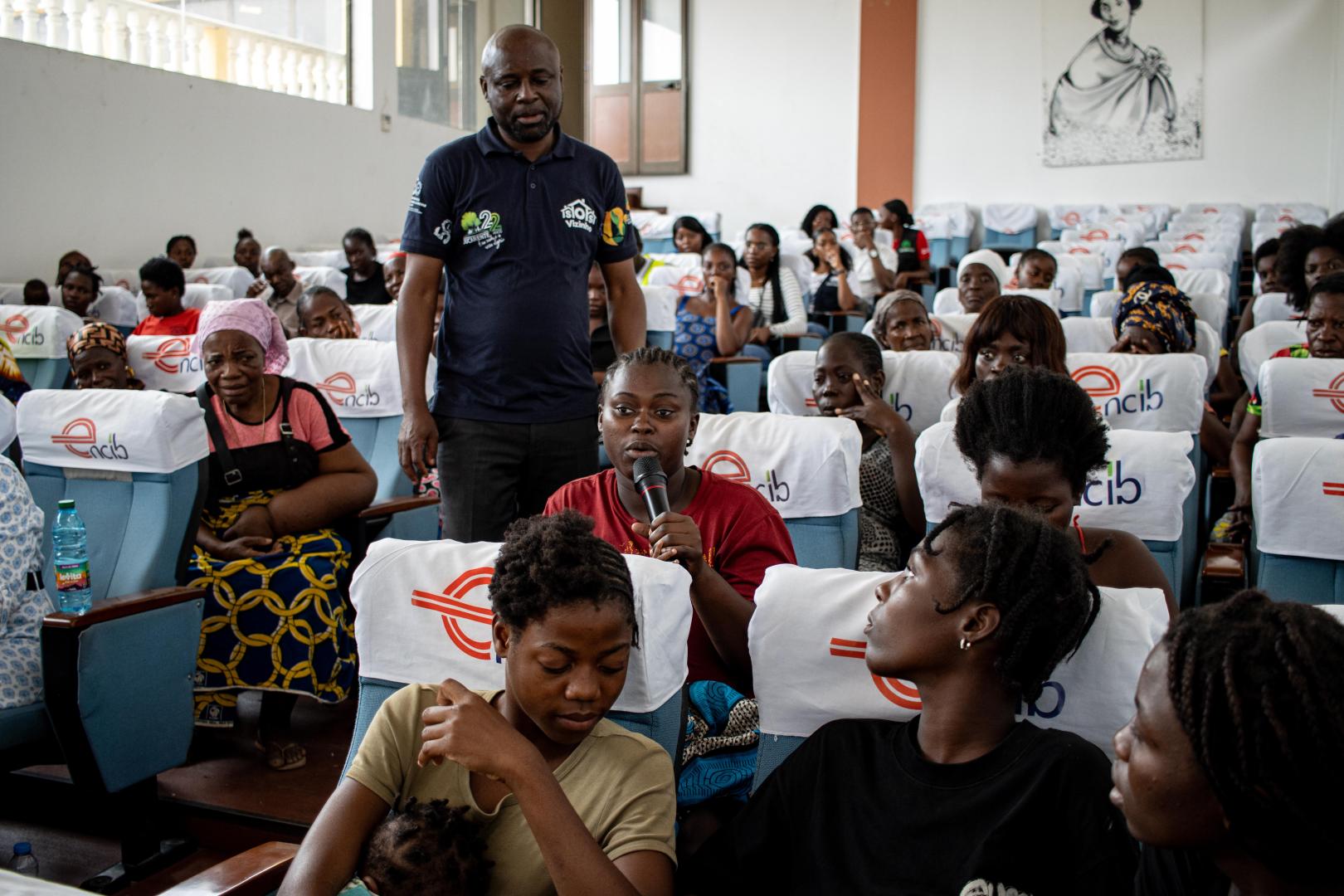
During the Community Conversation Circle, topics such as the current situation of polio in Angola and worldwide, the importance of maintaining vaccination even in the absence of confirmed cases, and strategies to involve communities in the fight against rumors and misinformation were discussed.
The audience participated actively, asking questions about vaccine safety, vaccination sites, and the challenges faced in vaccinating their children, while the panellists raised questions to stimulate joint solutions.
The Health Wheel was more than just an event; it was a living example of how citizen participation can increase vaccination rates and protect children in Angola.
In the end, it was concluded that it is essential to transform community mobilisation into a decisive practice to protect the health of families, creating structured policies, permanent spaces for dialogue, training local leaders, and combating misinformation through culturally adapted campaigns. The meeting ended with a clear message: ‘Vaccinating is protecting. Every child vaccinated is a step towards a polio-free future!’

Oficial de Comunicação
Escritório da OMS em Angola
gamboo [at] who.int (gamboo[at]who[dot]int)
T: +244 923 61 48 57